
iUE AT THE 13TH EDITION OF EURESFO IN GUIMARAES, PORTUGAL
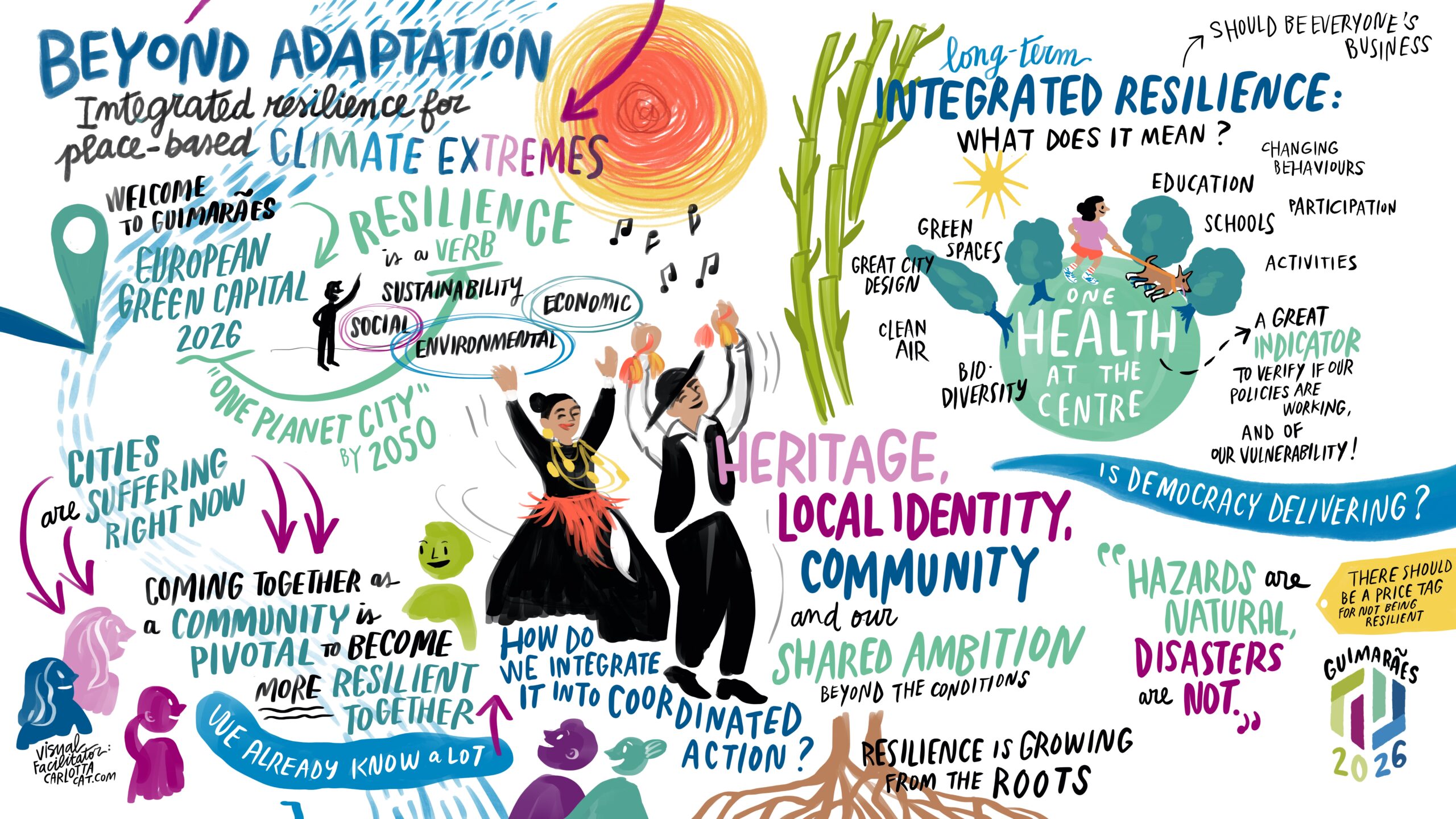
“Hazards are natural. Disasters are not.” – This remark by Natalia Alonso Cano (UNDRR) in the opening plenary set the tone for the 13th edition of the European Urban Resilience Forum (EURESFO) 2026, held from 17th to 19th of June 2026, organised by ICLEI and hosted in the European Green Capital 2026: Guimarães, Portugal. It captured a central message of the forum: while climate hazards cannot be avoided, their impacts are shaped by governance, preparedness, and collective action. The conference focused on advancing integrated approaches to climate resilience beyond adaptation, bringing together city representatives, policymakers, researchers, and practitioners. A strong focus was placed on collective action, leadership, and innovation, with small and medium-sized cities highlighted as key actors in enabling bottom-up resilience strategies and translating climate ambition into practice through citizen engagement.
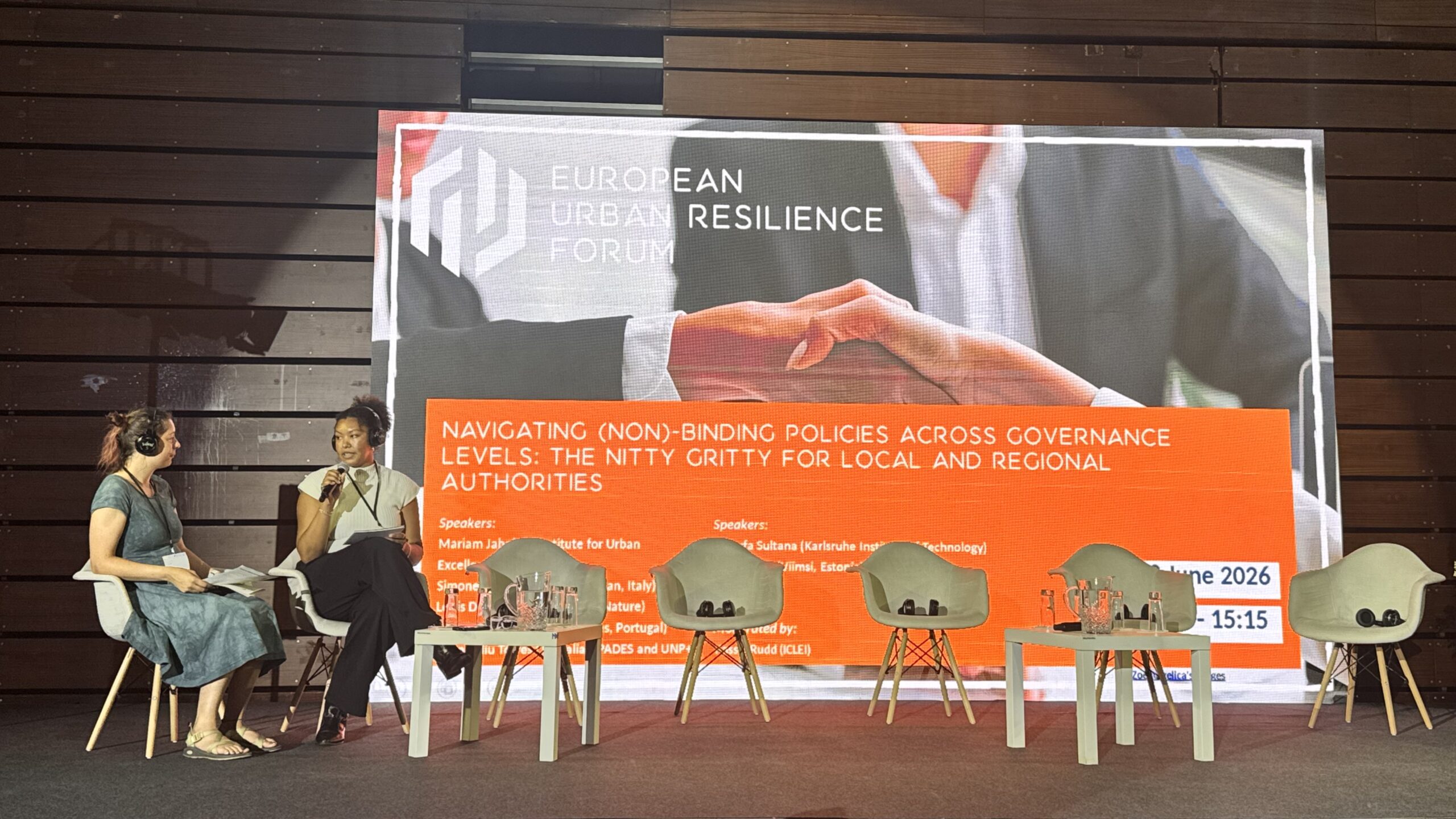
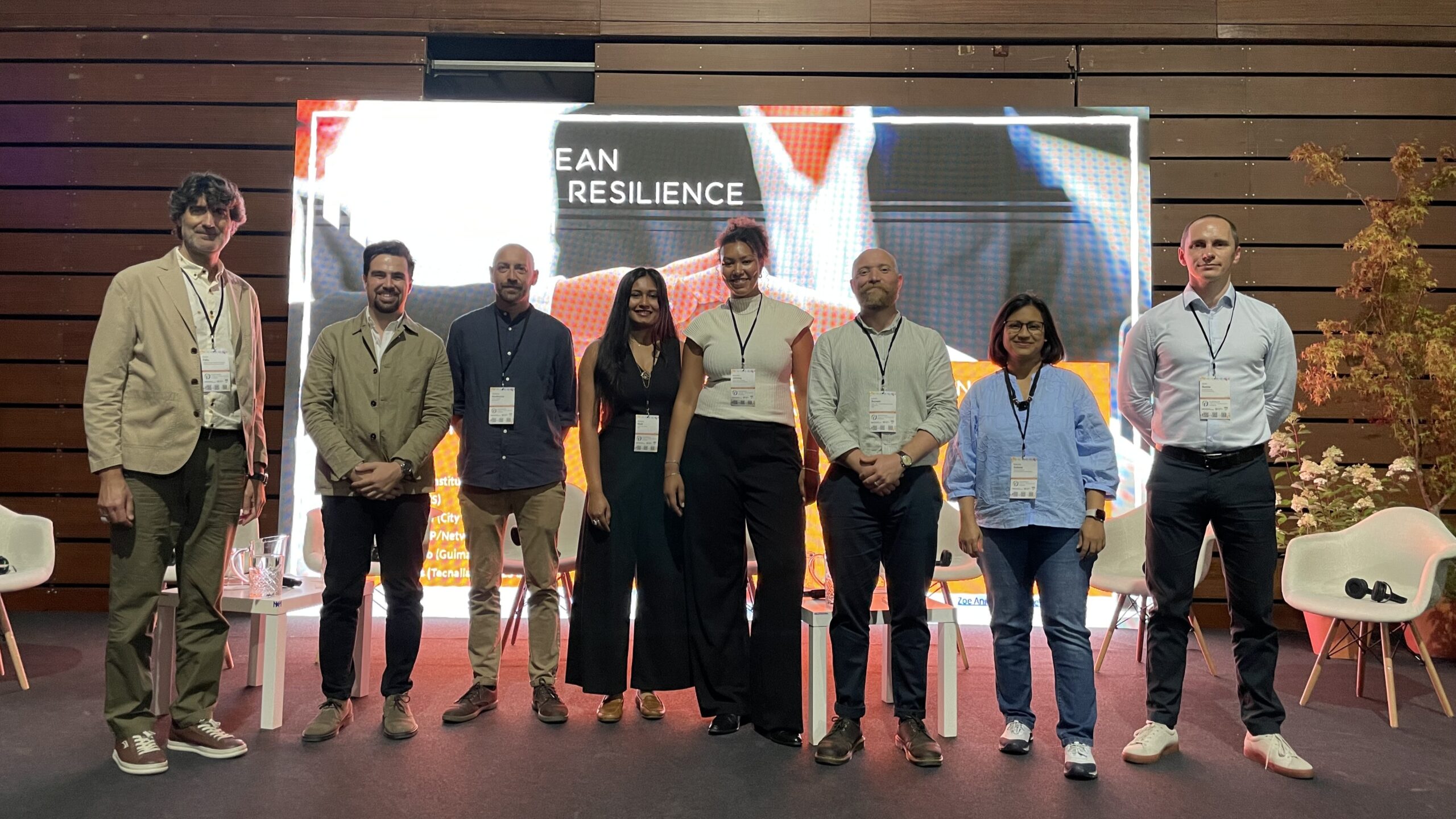
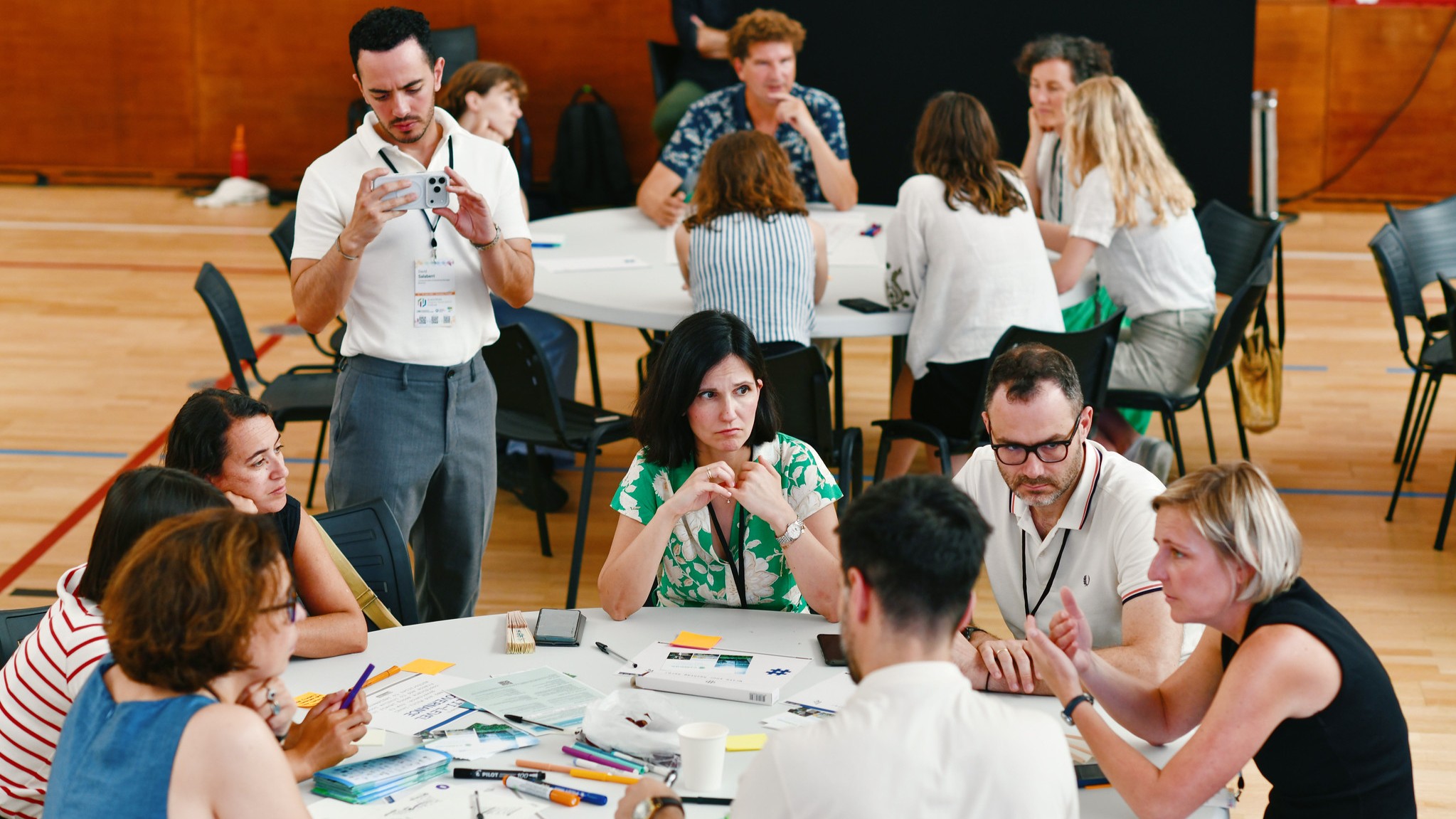
iUE participated as part of the stream “Strengthening the Governance of Resilience”, where our Project Assistant Mariam Jahning contributed to the workshop session “Navigating (non)-binding policies across governance levels: the nitty-gritty for local and regional authorities”. The session explored how resilience is shaped, governed and delivered across different levels from EU frameworks to city implementation. Combining policy insights with practical experience on navigating regulatory complexity and driving systemic change, the interactive session touched on key frameworks such as the Nature Restoration Regulation, the EU Biodiversity Strategy for 2030, and the EU Soil Monitoring Law. Alongside policy expert input, the workshop featured a dynamic exchange with city representatives from Milan, Guimarães, Viimsi, and Paris.
Mariam‘s presentation explored policy instruments and impact pathways of EU legislation on territorial governance and spatial development: even though the EU has no formal competence in spatial planning, its legislation can have (in)direct effects at the regional and local levels, through both binding and non-binding legislation. Through the transposition of EU sectoral legislation, particularly in the policy fields of regional cohesion, environmental protection, agricultural development and energy policy, the EU progressively embeds supranational territorial governance. This question is also central to the SPADES project, where we work to integrate soil health into spatial planning and design concepts, linking to a number of EU initiatives such as the Soil Monitoring Law, the Nature Restoration Regulation and the No Net Land Take policy objective.

Photos: EURESFO – ICLEI Europe
Across the forum, discussions highlighted the need to better connect policy ambitions with local realities, placing leadership and innovation in small and medium-sized cities at the centre. Key themes included financing innovation in nature-based solutions, breaking down silos and building bridges for effective implementation, planning resilient landscapes, and integrating social justice into climate adaptation. Key challenges identified in the discussion of integrated and cross-sectoral approaches included short term policy solutions, institutional fragmentation, and limited financial resources. Key takeaways from the forum include:
» Cities are already taking significant action, though this is not always explicitly linked to EU policy frameworks, even when aligned with binding targets, broader objectives, and informal goals.
» Implementation challenges vary significantly depending on capacity, governance structures, and resources, requiring more coordinated and context-sensitive approaches. Local governments are expected to deliver ambitious climate and biodiversity goals but often lack sufficient resources, funding, and decision-making capacity to implement them.
» Resilience governance is a social exercise. It is fundamentally built on trust, inclusion, and cross-sector cooperation. The ability to bring people together, make them feel heard, and foster a safe environment for cooperation across their respective fields through strong communication is vital. Stronger collaboration across governance levels is needed, alongside efforts to break down institutional silos and involve citizens more directly in shaping resilient and sustainable urban environments.
» Implementation challenges look very different, depending on capacity and different management structures. As climate resilience spans a variety of policy fields, linking the management of these issues across sectors regardless of the legal breakdown of EU policy at the regional and local levels presents a real challenge. From a regional perspective, citizen participation, financing structure, and coordination of capacity building and restructuring are vital factors for effective implementation.
» Strengthening public sector capacity and enabling local ownership should be central to investment strategies, with cities and citizens playing a leading role in shaping their shared future. Current stringent fiscal rules are self defeating, blocking investments urgently needed while creating greater financing pressures tomorrow. Broad fiscal reforms could address the financing needs cities are facing.
» Climate health and social justice are inseparable from climate adaptation and resilience building.
Photos: EURESFO – ICLEI Europe
Insights from the discussion will inform upcoming SPADES and UNP+ policy briefs on Urban Nature Plans and spatial planning. We are glad to have represented the SPADES project in this milestone event and look forward to participating in the upcoming EURESFO 2027 in Vejle Municipality in Denmark!