PLUS CHANGE 4TH GENERAL ASSEMBLY

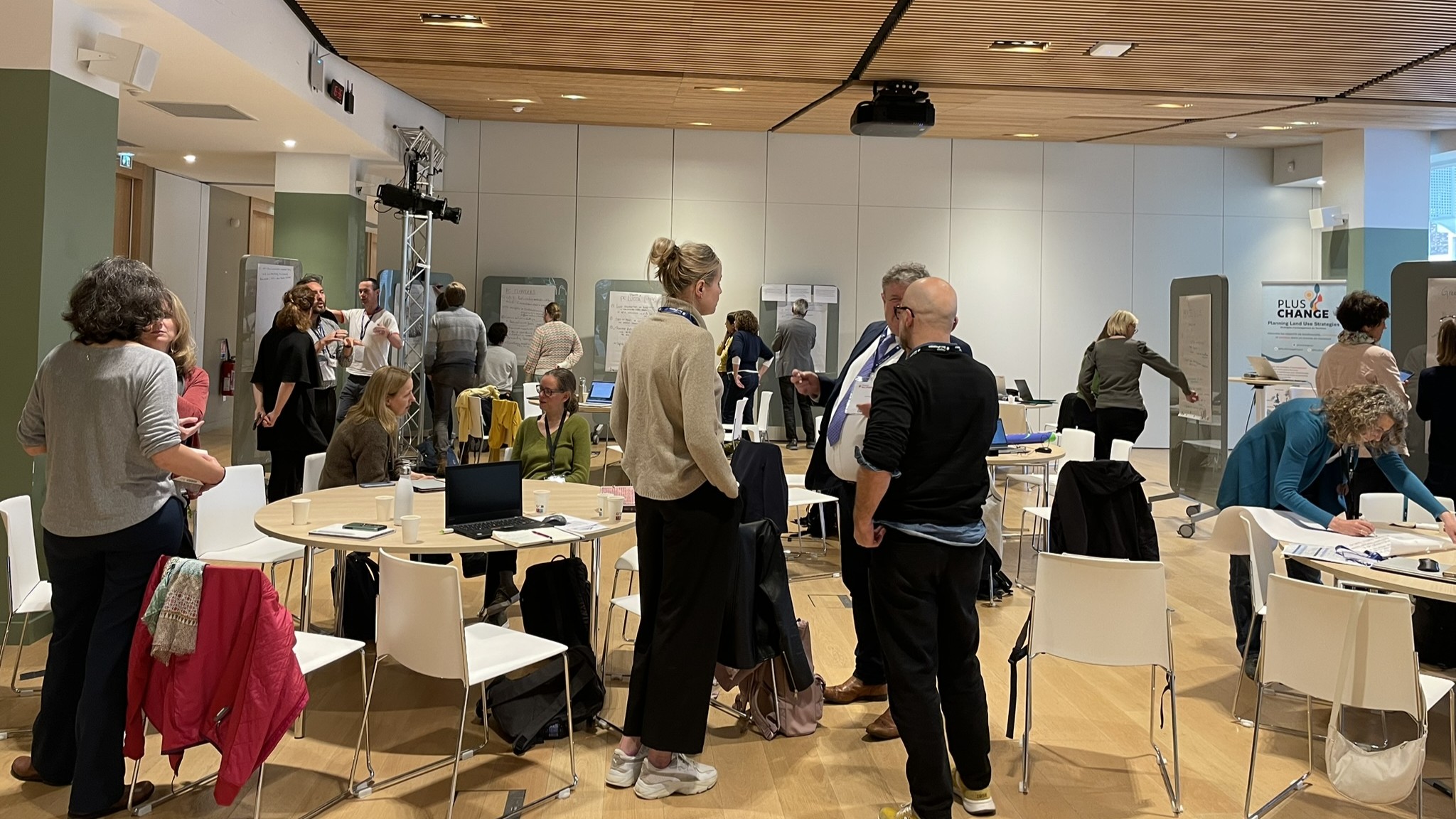
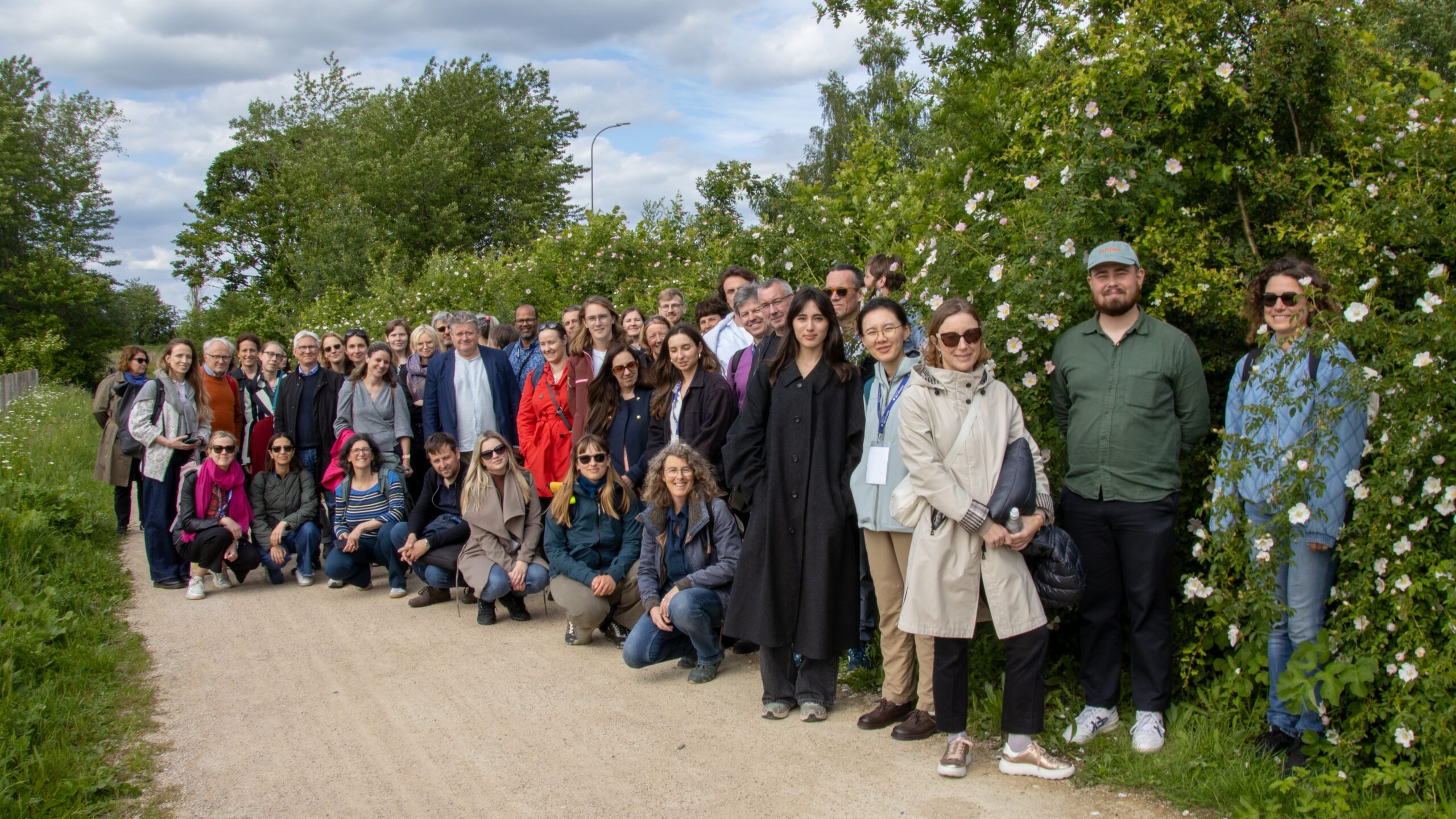
In May, the PLUS Change consortium met in Paris for its fourth General Assembly, hosted by the Île-de-France Region. Over three days, we came together with project partners to review progress, share experiences from the Practice Cases and discuss priorities for the final year of the project.

With the project now moving into its final phase, much of the discussion focused on how the knowledge, methods and lessons developed through PLUS Change can continue to be used by policymakers, practitioners and regional stakeholders after the project ends.

One of the recurring themes throughout the meeting was the changing policy landscape in Europe and what it means for land-use planning. Partners discussed current debates around agriculture, biodiversity, climate resilience and regional development, as well as preparations for the next EU budget period. These discussions highlighted the growing pressure on land to meet multiple and sometimes competing demands: from food production and nature restoration to housing, infrastructure and renewable energy.

The General Assembly also provided an opportunity for Practice Cases to reflect on their recent work and exchange experiences with one another. Partners also compared experiences from workshops held across different regions. Although the local contexts vary considerably, many reported facing similar questions around stakeholder participation, competing land-use priorities and the challenge of translating research findings into decisions on the ground.

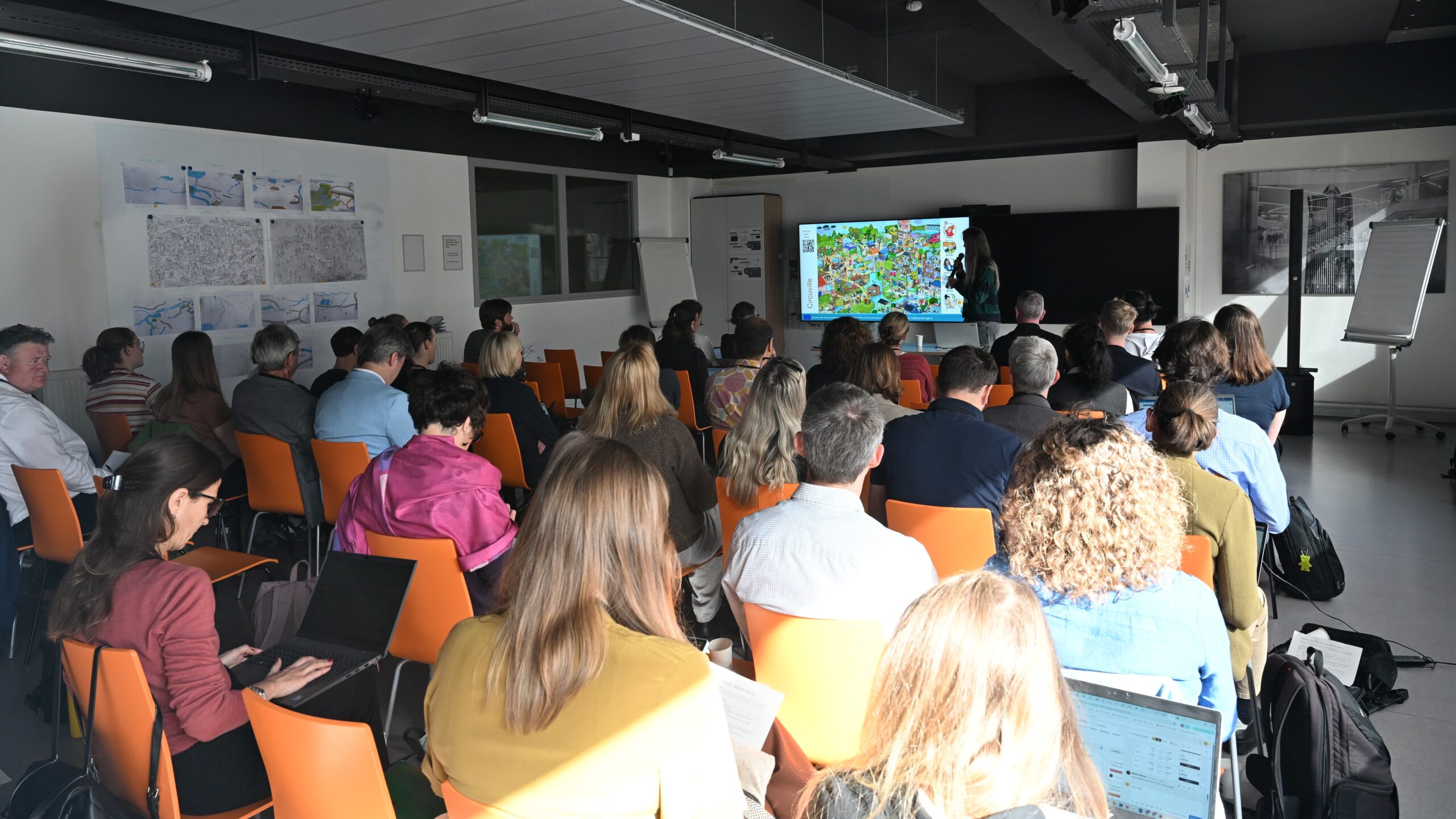
Several sessions focused on the tools and resources that will be produced during the final year of the project. Partners discussed about land-use modelling and future landscape scenarios, and reviewed progress on the PLUS Change Toolkit, which will bring together methods, data and practical guidance developed throughout the project.

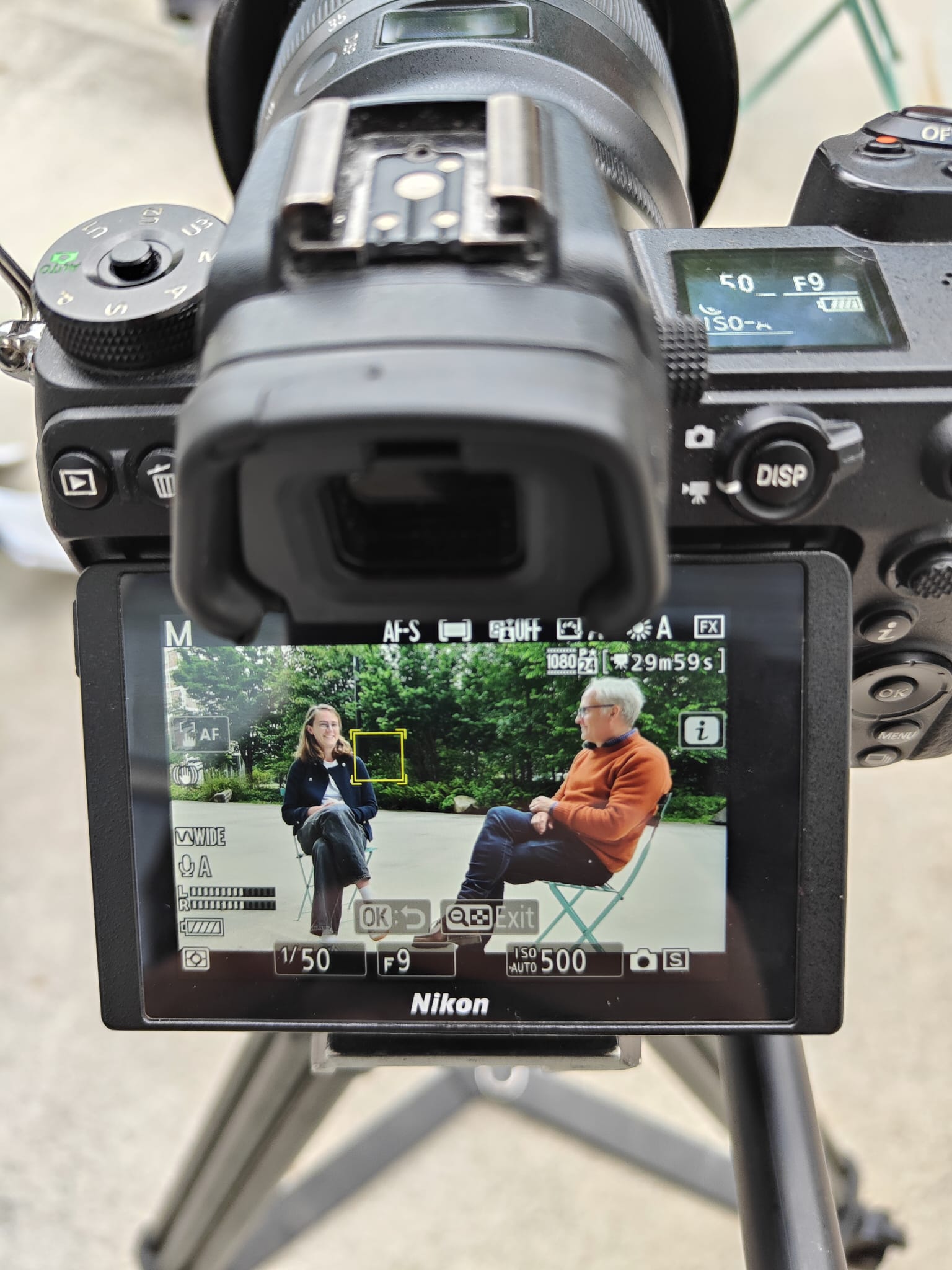
During the General Assembly, iUE started filming for the Dialogue for Change storytelling series. The series brings together pairs of researchers from across the project to reflect on the key insights generated through their work and explore their broader societal relevance. Structured around five thematic discussions spanning historical land-use change, future scenarios, pathways to transformation, and practical interventions, the conversations examined how research processes, findings, and contextual factors interact to shape outcomes and impact. Rather than focusing on technical results, the series explores questions of fairness, knowledge formation, participation, and governance, highlighting how different perspectives and priorities come together in land-use planning. Filmed in an open and conversational format, the discussions encouraged researchers to reflect on both their findings and the collaborative processes that produced them, offering a deeper understanding of how sustainable land-use change can be imagined, negotiated, and achieved.

All in all, the Paris meeting was a chance not only to review what has been achieved so far, but also to look ahead. With work continuing across the Practice Cases and research activities moving towards synthesis, the coming year will focus on bringing together the project’s findings and translating them into practical lessons for sustainable land-use planning across Europe.

More news