The ESPON GILL project, under Action 1 of the EU Urban Agenda’s Greening Cities Partnership, developed a Methodology for Quantifying the Demand for Green Infrastructure at Local Level (GILL). The project was implemented under the lead of TECNALIA Research & Innovation, together with the Institute for Urban Excellence (iUE), and the European Forest Institute, and now proudly shares its results publicly.
As cities grapple with rising climate risks, biodiversity loss, and growing pressure to deliver more liveable and equitable urban environments, the practical implementation of biodiversity-inclusive urban planning and governance still remains limited. Accessing and justifying investment for green infrastructure remains difficult, and part of the problem lies in the absence of demand metrics. The general benefits of nature are widely acknowledged, but few cities have the capacity to quantify ecosystem service needs on their territory. As a result, red tape and bureaucratic uncertainty persist, often prioritizing traditional “grey” infrastructure projects for climate adaptation over greener, more adaptive alternatives.
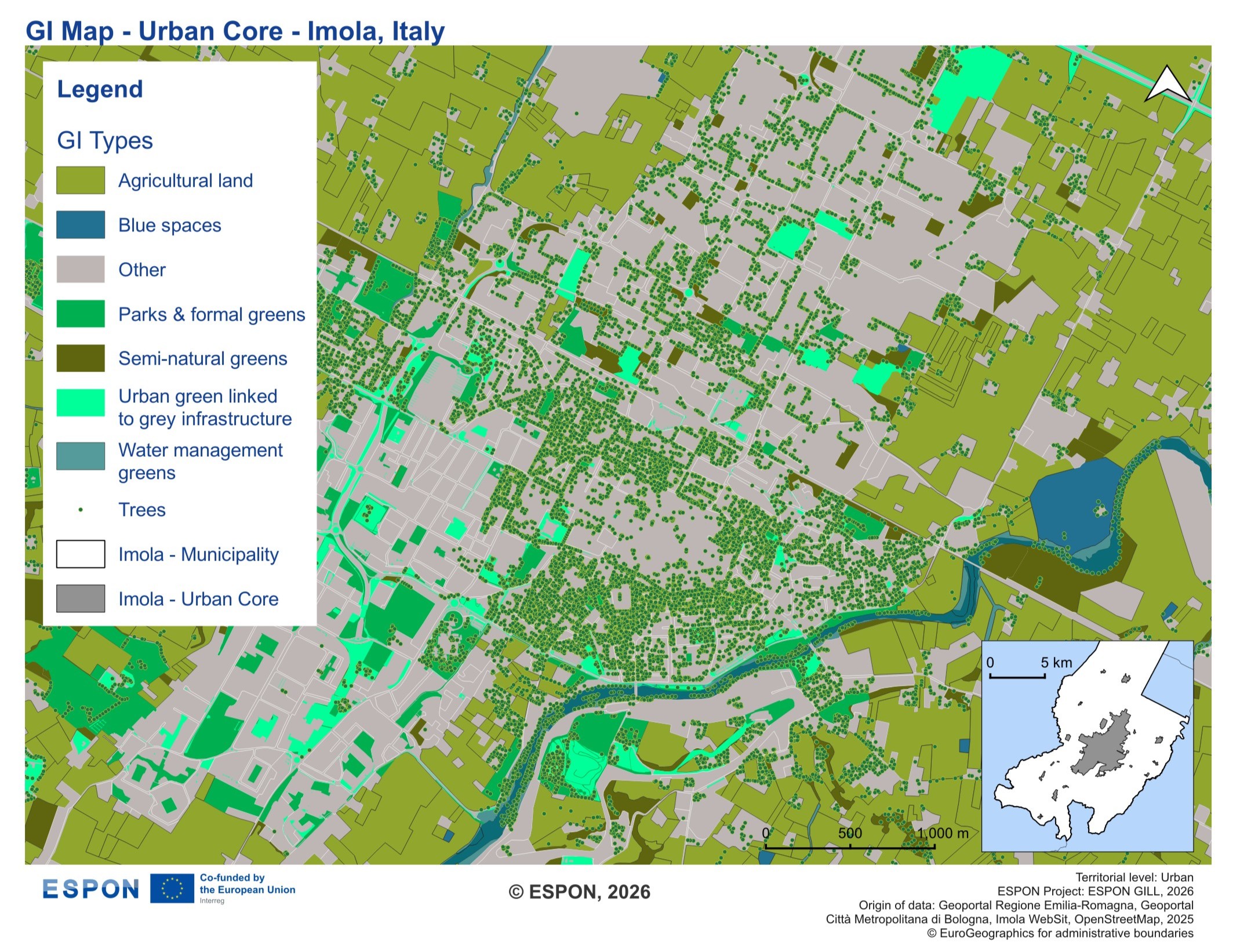
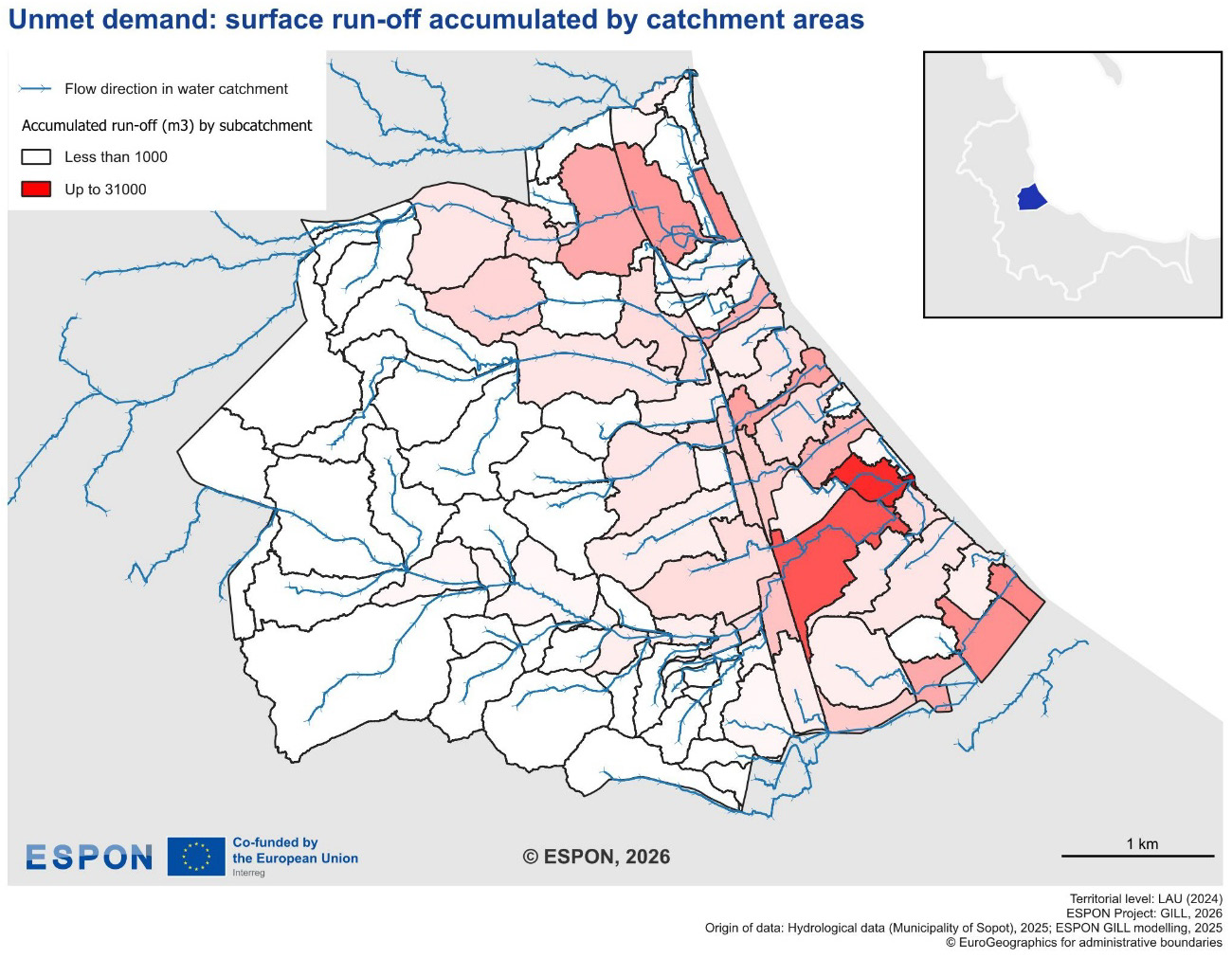
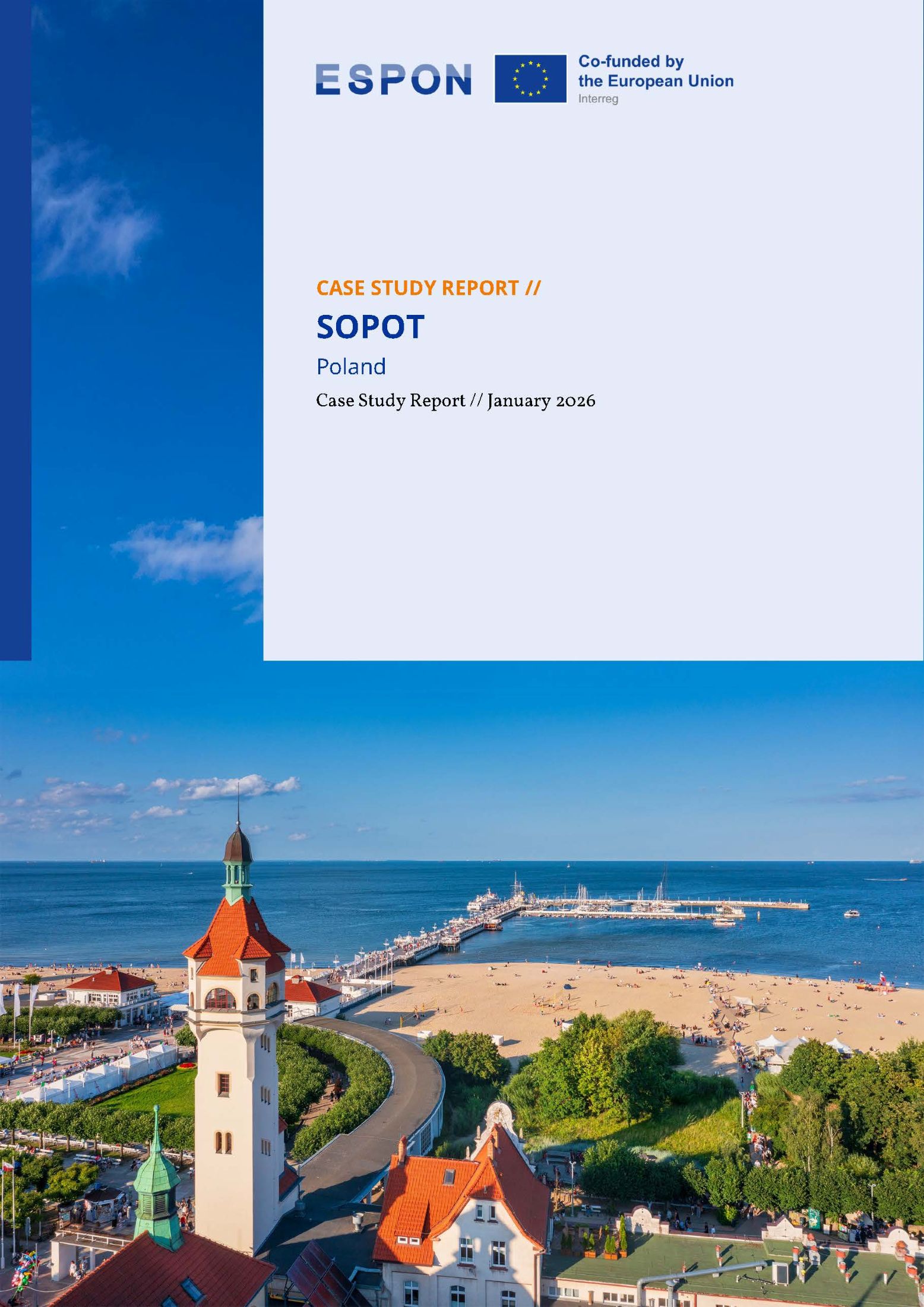
The ESPON GILL project brought together expertise in applied research, spatial planning, and forest / ecosystem management to develop this methodology linking environmental and spatial data into a demand-side framework: instead of focusing only on what nature can offer, the project asked who needs nature, where, and for what purpose, and how these needs are currently being met or left unaddressed. The project supported six committed territories in developing, delivering, and implementing the ESPON GILL Methodology, which is intended to be transferable and applicable to other regions across Europe. iUE worked with two case studies: Imola in Italy and Sopot in Poland.