ESPON GILL Project: Case Study Report from Imola (Italy)
Methodology for Quantifying the Demand for Green Infrastructure at the Local Level
ESPON GILL responds to the content outlined in the Green Cities Partnership Action Plan and indirectly supports other actions in the plan. The project, led by TECNALIA Research & Innovation, was developed in cooperation with the Institute for Urban Excellence and the European Forest Institute. Together, we developed a methodology to quantify the demand for Green Infrastructure at the Local Level (GILL).
The methodology helps cities understand the distribution of urban nature, assess the demand for ecosystem services provided by green infrastructure, and identify where green infrastructure is most needed. The project has supported six committed territories in developing, delivering, and implementing the ESPON GILL Methodology, which is intended to be transferable and applicable to other regions across Europe.
The task consisted of multiple consultations and interactions, during which the case study teams were able not only to provide access to local knowledge, relevant documents, and data, but also to share their insights, offer guidance, compare their progress, and consequently apply the method in their policy processes. The contributions of the case studies in setting the scene, identifying needs, providing data, and validating the methodology were essential to the success of ESPON GILL.
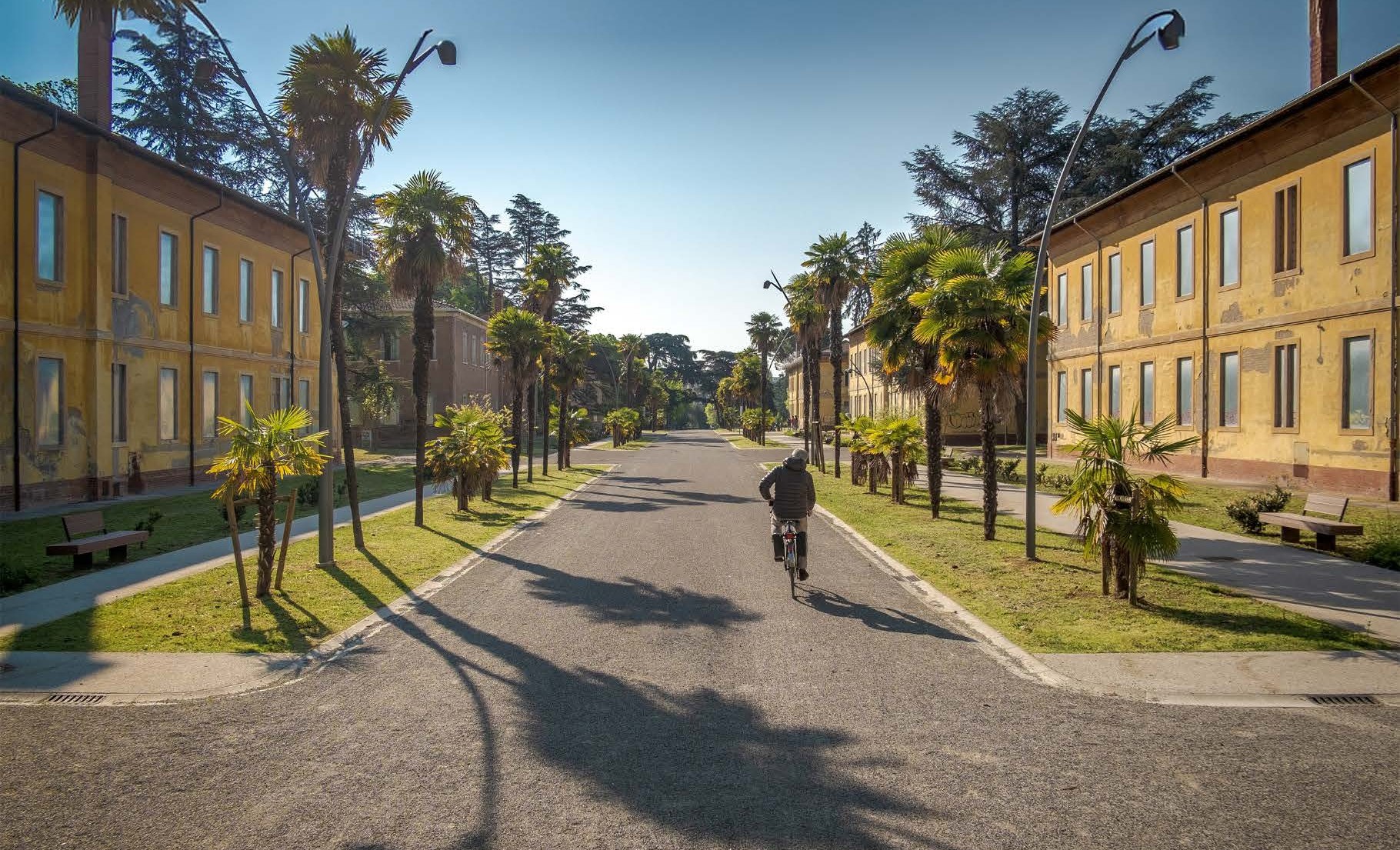
This report describes the case study of Imola, in Italy.
All in all, ESPON GILL produced: a standardised methodology including a flexible, evidence-based assessment framework, case study reports with insights from the cities in which the methodology was tested, an interactive user manual for the methodology implementation, and a case-study dashboard to support informed planning and investment.
Discover the interactive ESPON GILL User Manual and Case Study Dashboard online.